Introduction
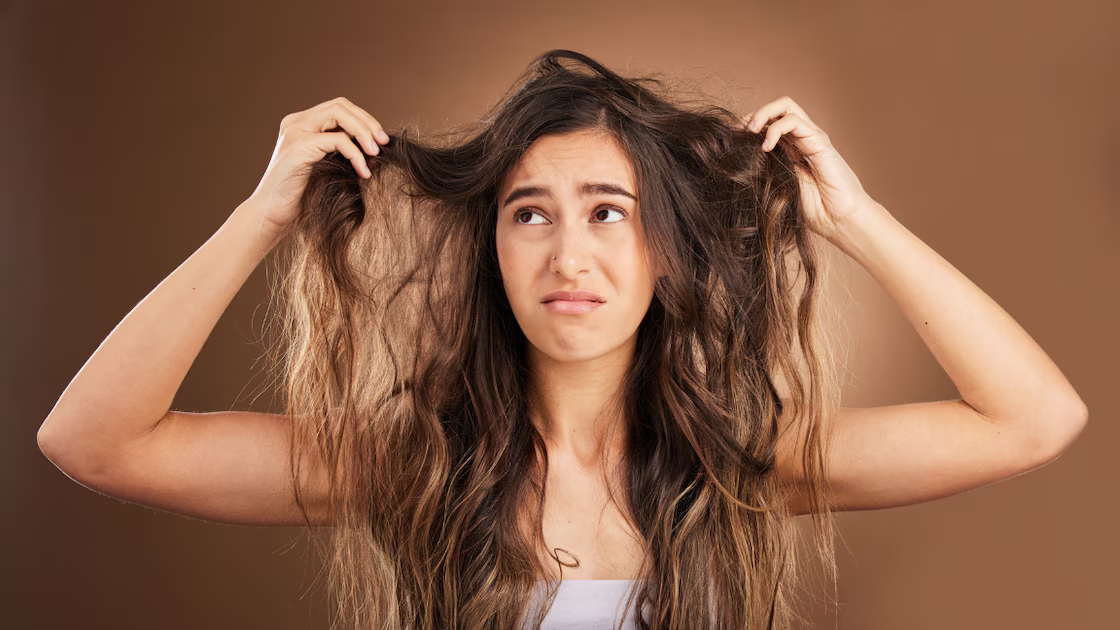
Humidity and frizzy hair go together like an unwanted package deal, especially during monsoon months. If you’ve tried a dozen anti-frizz serums with mixed results, these frizzy hair solutions focus on addressing the actual causes rather than just masking frizz temporarily with heavy silicones.
1. Understand Why Hair Frizzes
Quick answer: Frizz happens when hair lacks moisture and the outer cuticle lifts, allowing humidity in the air to swell the hair shaft — meaning the most effective frizzy hair solutions focus on hydration, not just smoothing products.
- Dry, damaged hair frizzes more than healthy hair
- Overwashing strips natural oils, worsening frizz
- Humidity is a trigger, not the root cause
2. Switch to Sulfate-Free Shampoo
Sulfates strip natural oils aggressively, leaving hair more prone to frizz. A gentler, sulfate-free formula keeps moisture balance intact over time.
3. Deep Condition Weekly
A proper deep conditioning mask once a week restores moisture that daily washing and styling strip away. This step alone reduces frizz noticeably for a lot of people.
4. Cold Water Rinse to Seal Cuticles
Quick answer: Finishing a hair wash with cold water helps seal the hair cuticle, reducing moisture loss and frizz throughout the day — a simple, free adjustment to any frizzy hair routine.
- Rinse with cold water as the final step
- Avoid extremely hot water during washing
- Pat hair dry gently instead of rubbing with a towel
5. Use a Microfiber Towel or Cotton T-Shirt
Regular towels rough up the hair cuticle, causing more frizz. A microfiber towel or even an old cotton t-shirt is gentler and reduces friction significantly.
6. Leave-In Conditioner or Hair Oil
A lightweight leave-in product applied to damp hair locks in moisture before frizz has a chance to set in throughout the day.
7. Avoid Over-Brushing
Excessive brushing, especially when hair is dry, roughs up the cuticle layer. Brush gently, mainly when hair is damp with conditioner still in it.
8. Silk or Satin Pillowcases
Cotton pillowcases create friction overnight that worsens frizz and breakage. Silk or satin reduces this friction considerably — a small switch with a noticeable payoff.
[link to related hair growth oiling guide here]
FAQ
Is frizzy hair a sign of damage? Often yes, though some hair types are naturally more prone to frizz regardless of health.
Do anti-frizz serums actually work? Yes, but they work best combined with proper moisture care, not as a standalone fix.
Can diet affect hair frizz? Indirectly, since overall hair health depends partly on nutrition and hydration.
Should frizzy hair be washed less often? Often yes — overwashing strips oils that help control frizz naturally.
Does hair type affect which frizzy hair solutions work best? Yes, curly and wavy hair generally need more intensive moisture routines than straight hair.
Conclusion
Fixing frizz naturally comes down to restoring moisture balance rather than just masking the problem with heavy products. Start with the cold water rinse and a weekly deep conditioning mask — these two frizzy hair solutions alone make a real difference within a few weeks.