Introduction
Hair serums are everywhere right now, and honestly, some of the marketing claims sound too good to be true — because a fair number of them are. This best hair serum review looks at what these products can realistically deliver versus what’s mostly just clever packaging and influencer hype.
1. What Hair Serums Actually Do
Quick answer: A good hair serum, based on this best hair serum review, primarily smooths cuticles and reduces frizz through lightweight oils or silicones — it doesn’t fundamentally change hair growth or repair genuine damage from within.
- Reduces frizz and adds shine temporarily
- Provides heat protection before styling
- Doesn’t repair split ends, only masks them cosmetically
2. Best for Frizzy, Humid-Weather Hair
Lightweight, silicone-based serums performed best for controlling frizz through humid Indian weather without leaving hair looking greasy by midday.
3. Best for Fine, Thin Hair
Heavier serums weigh fine hair down quickly. Lighter, oil-based formulas in small amounts worked better without sacrificing volume throughout testing.
4. Best for Thick, Curly Hair
Quick answer: Thicker hair types generally benefit from richer serum formulas with higher oil content, since this hair type tends to be naturally drier and needs more intensive moisture retention than finer hair types.
- Apply on damp hair for better absorption
- Focus on mid-lengths and ends, avoiding the scalp
- Richer formulas with argan or marula oil work well
5. Ingredient Red Flags to Watch
Heavy silicone buildup over time without proper clarifying shampoo use can actually worsen hair health long term, something a lot of serum marketing conveniently leaves out.
6. Budget vs Premium Serum Comparison
Several budget serums performed comparably to premium options for basic frizz control, though premium formulas generally included better heat protection claims backed by testing.
7. How to Apply Correctly
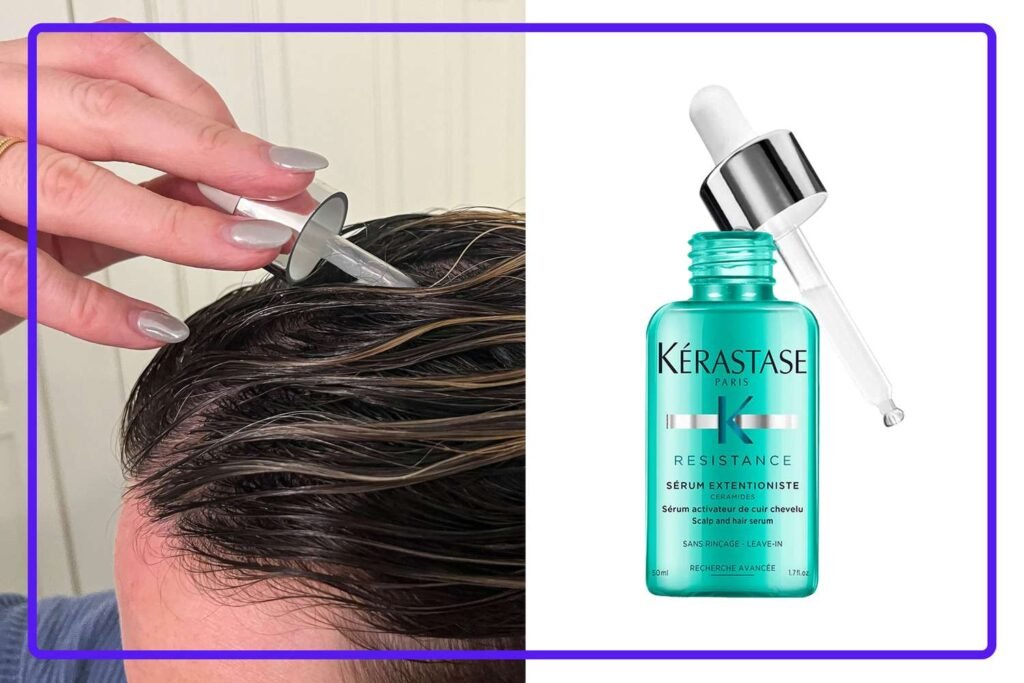
Quick answer: Applying just 2-3 drops on damp, towel-dried hair, focusing on ends rather than roots, gives the best results according to this best hair serum review — overapplication is the most common mistake people make.
- Start with 1-2 drops, add more if needed
- Rub between palms before applying evenly
- Avoid the scalp to prevent excess oiliness
8. Overall Verdict
Hair serums are a genuinely useful finishing step for frizz and shine, but they’re not a growth or repair solution despite how some brands market them. Manage expectations accordingly.
[link to related frizzy hair solutions guide here]
FAQ
Can hair serum replace conditioner? No, serum is a finishing product, not a substitute for proper conditioning.
Do hair serums cause buildup over time? Silicone-heavy formulas can, especially without occasional clarifying shampoo use.
Is hair serum necessary daily? Not always; it depends on hair type and how much frizz control is needed.
Can hair serum help with hair growth? No, despite some marketing claims, serums don’t meaningfully affect hair growth.
Which hair type benefits most from serum? Frizzy, dry, or curly hair types tend to see the most visible benefit.
Conclusion
Based on this best hair serum review, the honest takeaway is that serums genuinely help with frizz and shine, but expecting them to repair or grow hair is setting yourself up for disappointment. Choose one suited to your hair type, use it sparingly, and keep expectations realistic.